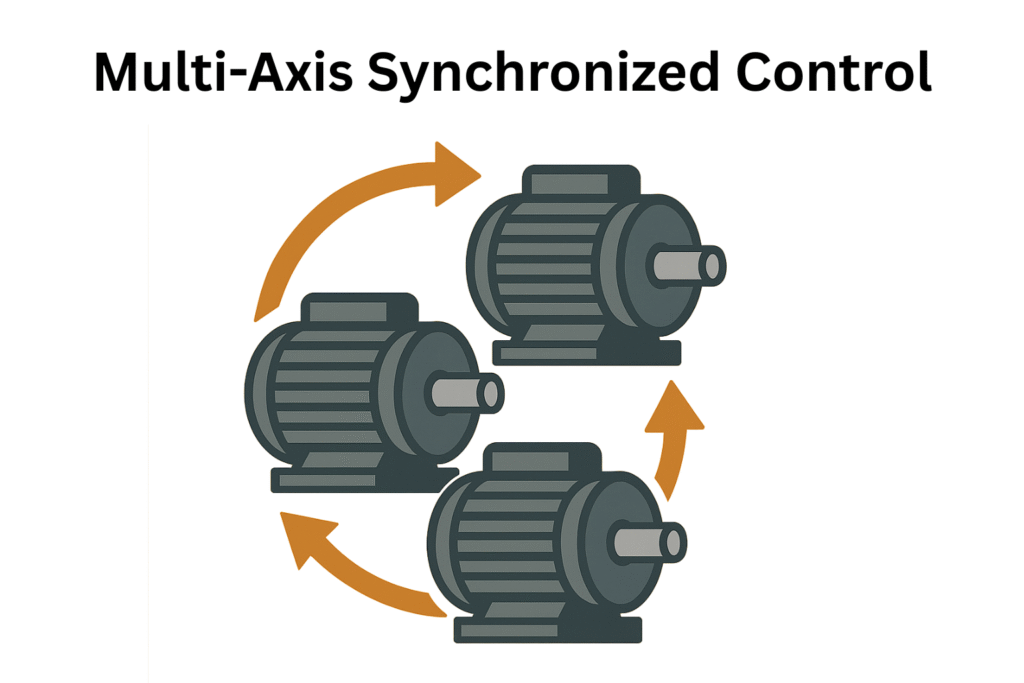
Drives & Controls — VFD, Servo, Stepper, Motion Controllers
Specify power, voltage, axes, fieldbus, feedback, safety, and environment. We cross to multiple brands and return best-fit hardware with lead times.
VFD (AC Drives)
Servo Drives
Stepper Drives
Motion Controllers
Typical Ranges
| Category | Power | Voltage | Axes | Fieldbus | Feedback |
|---|---|---|---|---|---|
| VFD | 0.18–200 kW | 120–480 VAC | 1 | Modbus, EIP, PN | N/A |
| Servo Drive | 0.05–30 kW | 120–480 VAC | 1–8 | EtherCAT, EIP, PN | ABZ, SSI, EnDat, BiSS |
| Stepper Drive | 24–80 VDC | 24–230 | 1–4 | Pulse/Dir, EtherCAT | Encoder (closed-loop) |
| Controller | — | 24 VDC / 120–230 VAC | 1–32 | EtherCAT, EIP, PN, CAN | — |
Drives & Controls Selection Guide
Define motor & load, then choose power/voltage, axes, and control interfaces (fieldbus/feedback/commands). Add safety and environment.
Motor & Load
Control & Feedback
Safety & Environment
Motor & Load
- Size by peak/continuous torque at speed with duty cycle.
- Pick drive type to match motor: VFD→induction/PM; Servo→PMSM; Stepper→2-phase/closed-loop.
Control & Feedback
- Fieldbus: EtherCAT for hard motion; EIP/PN for PLC integration.
- Feedback: ABZ (incremental), SSI/EnDat/BiSS (absolute), Halls for BLDC.
Safety & Environment
- STO (SIL2/SIL3) common; add brakes/regen where needed.
- Panel (IP20) vs field-mount (IP65) drives; use filters in CE installs.
Build Your Drives & Controls Spec
Fill what you know. The Spec ID updates live and we’ll use it to cross to manufacturers.
AMD-DRV-TYPX-KWXXXX-VXX-PHX-AXXX-AXXX-FBX-FBKX-CMDX-MTX-IPX-MNX-SAFX-OPTX-V01-CXPrimary
Options
Structure
T-Slot ExtrusionSensors & Feedback
Encoders Sensors Vision / ID (optional)Engineered Motion, Robotics & Automation
Find products fast. This preview shows the **Products** IA we recommend and a matching homepage grid. Replace the links with your live pages.
Motors
Gearboxes & Speed Reducers
Drives & Controls
Ball Screws
Linear Guides & Bearings
Linear Actuators
Precision Stages
Conveyors
Industrial Robots
T-Slot Extrusion
Encoders
Sensors
Motion
Linear Motion
Robotics & Handling
Structure
Sensors & Feedback
Accessories
Drives & Controls
Drives & Controls are the backbone of modern motion systems, enabling precise control over speed, torque, and position in industrial automation. Whether it’s servo drives managing dynamic movements or variable frequency drives optimizing motor efficiency, these systems enhance performance and reliability across applications. With advanced control technology, industries can achieve greater accuracy, energy efficiency, and seamless integration into automation frameworks.
Servo Drives: Precision Motion Control for Every Application
What is a Servo Drive?
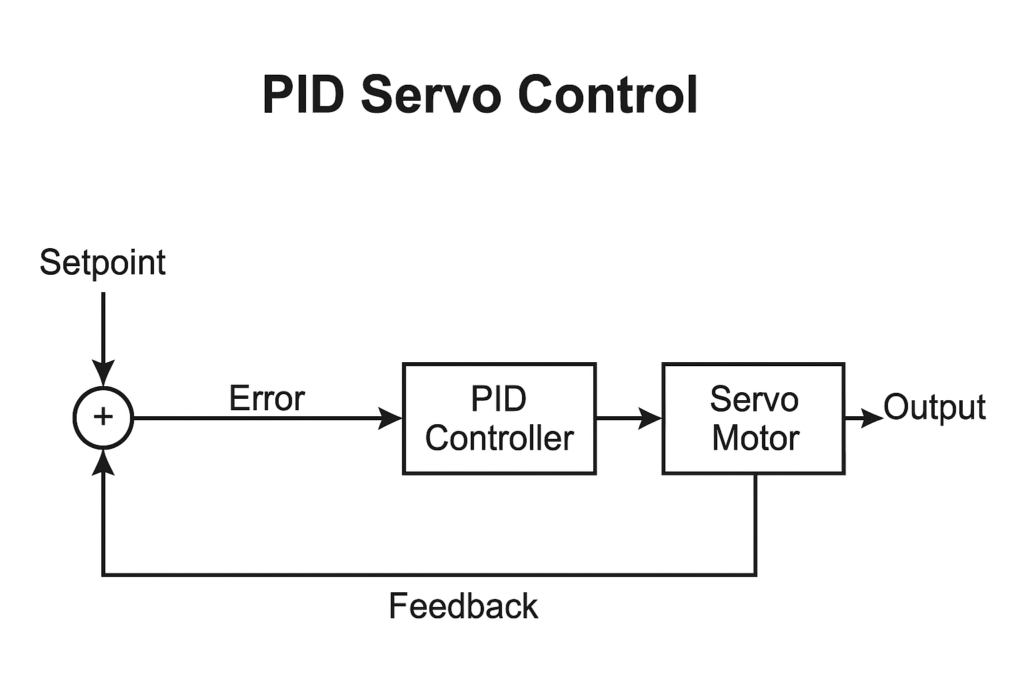
A servo drive is an electronic device that powers and controls a servo motor by receiving a command signal, comparing it to feedback from the motor, and adjusting voltage or current to correct for any deviation. This closed-loop system provides highly accurate speed, position, and torque control.
Types of Servo Drives
1. Analog Servo Drives
- Accept analog input signals (e.g., ±10V)
- Simple integration with legacy systems
- Cost-effective, but limited tuning options
2. Digital Servo Drives
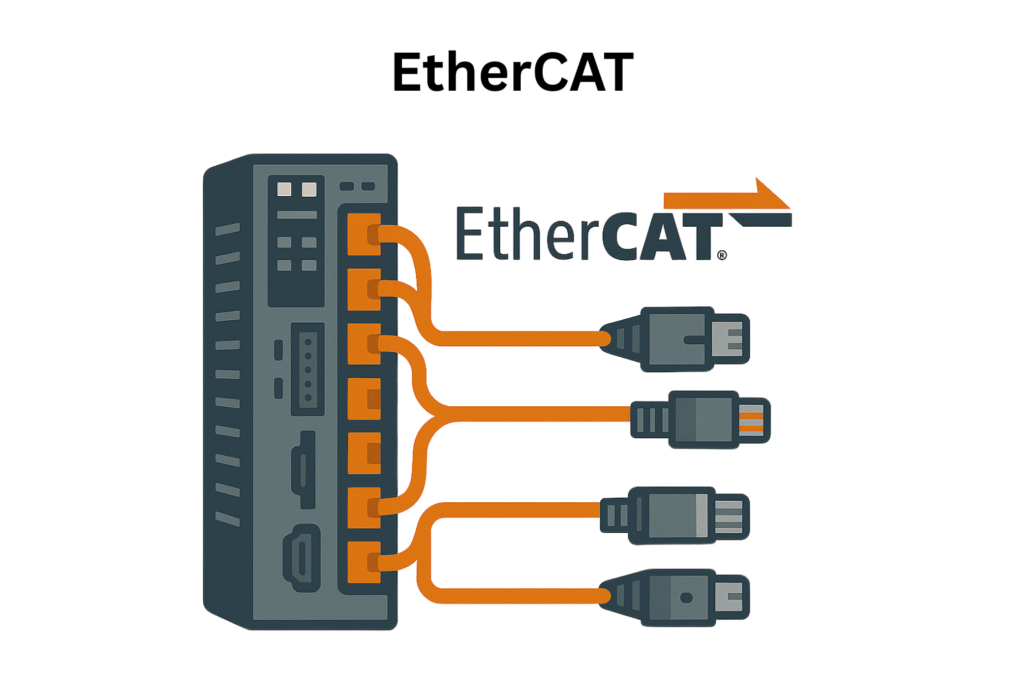
- Use digital input (fieldbus protocols like EtherCAT, CANopen, Modbus)
- Advanced tuning and diagnostics via software
- Ideal for high-performance applications
3. Integrated Servo Drives
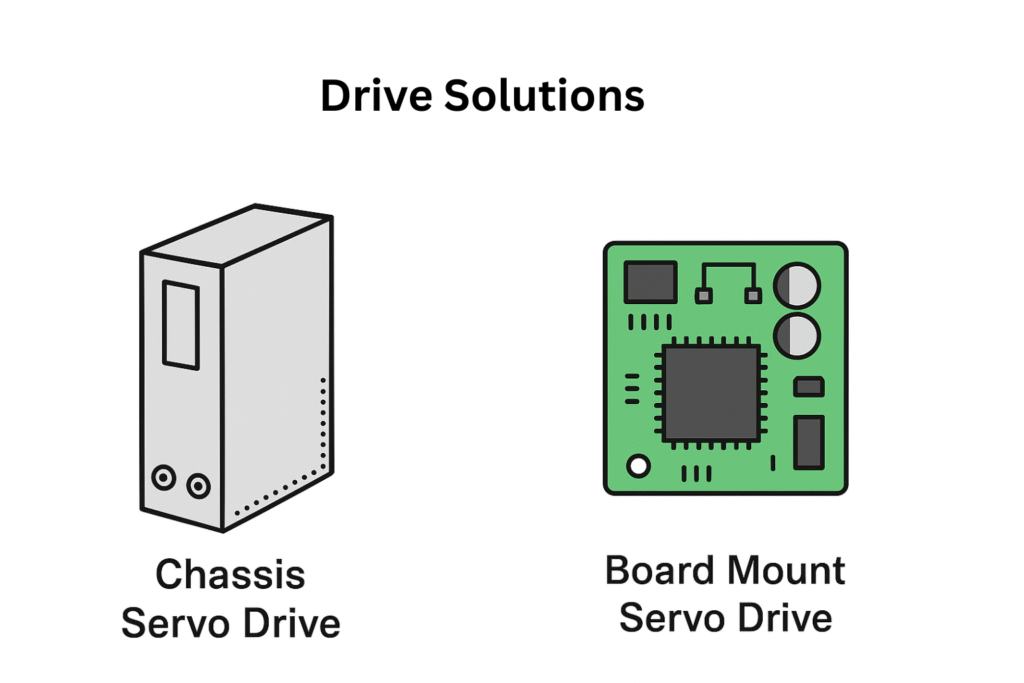
- Combine motor and drive into a single unit
- Space-saving and easy to install
- Great for decentralized architectures
4. AC vs. DC Servo Drives
- AC Drives: Suitable for most modern applications; handle high speeds and loads
- DC Drives: Often used in retrofit systems or where specific voltage requirements exist
5. Brushless vs. Brushed Servo Drives
- Brushless: Higher efficiency, lower maintenance, longer life
- Brushed: Simpler, but require more frequent maintenance
Key Features to Consider in a Servo Drive
- Communication Protocol: EtherCAT, CANopen, Modbus, Ethernet/IP
- Power Rating & Voltage Range: Match drive to motor requirements (e.g., 24V, 48V, 230V, 480V)
- Feedback Support: Resolver, encoder (incremental or absolute), Hall sensors
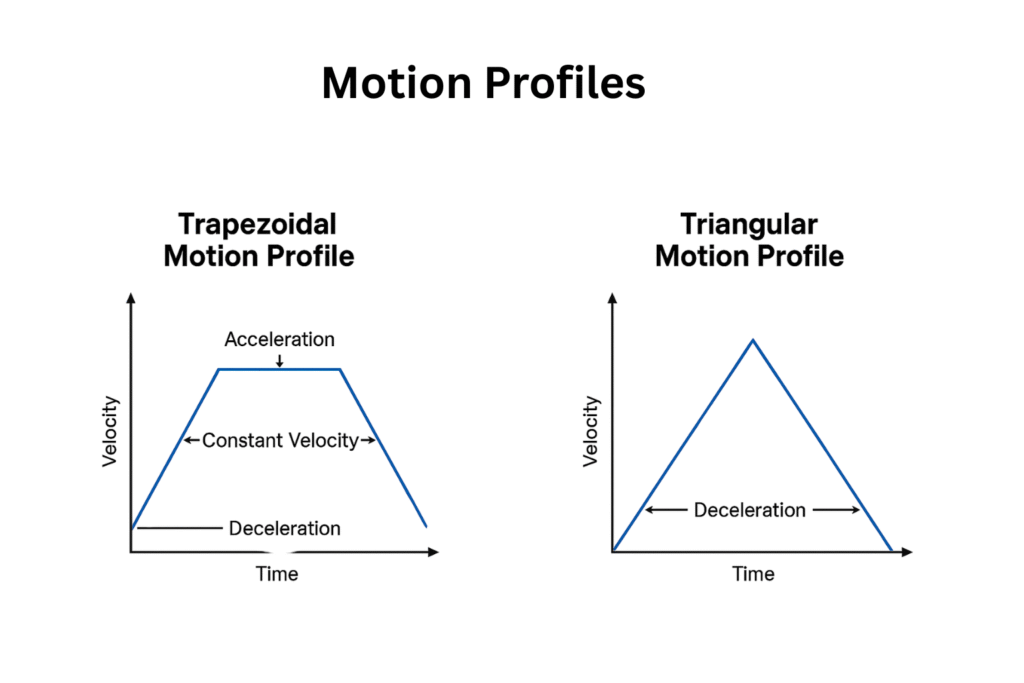
- Control Modes: Position, speed, torque, or mixed
- Safety Functions: STO (Safe Torque Off), SS1 (Safe Stop 1)
- I/O Options: For integration with PLCs, sensors, or other control systems
- Tuning Tools & Software: Intuitive interfaces and auto-tuning capabilities for fast commissioning